Panoramic X-rays in.
Clear cavity insights
out.
HelloCavity AI helps dental teams review panoramic radiographs more consistently by surfacing early decay risk, highlighting likely regions of interest, and supporting clearer clinical decisions—without replacing the dentist.
Built for speed + clarity
Short capabilities that fit real clinic workflows—designed to make review more consistent and explainable.
Early cavity risk spotting
Flags subtle patterns that can be hard to notice on panoramics, then brings them to the dentist’s attention for confirmation.
Severity-aware output
Organizes findings into structured severity cues (e.g., class-level staging), helping teams align on urgency and next steps.
Patient-friendly visuals
Overlays and annotated views make explanations simpler—supporting trust, clarity, and higher acceptance of needed treatment.
How it works
A simple flow: ingest → highlight → verify. The clinician remains the final decision-maker.
3-step workflow
- Connect or upload panoramics from your workflow (privacy-first setup).
- AI highlights likely regions of interest with confidence indicators.
- Dentist verifies findings, documents, and finalizes the treatment plan.
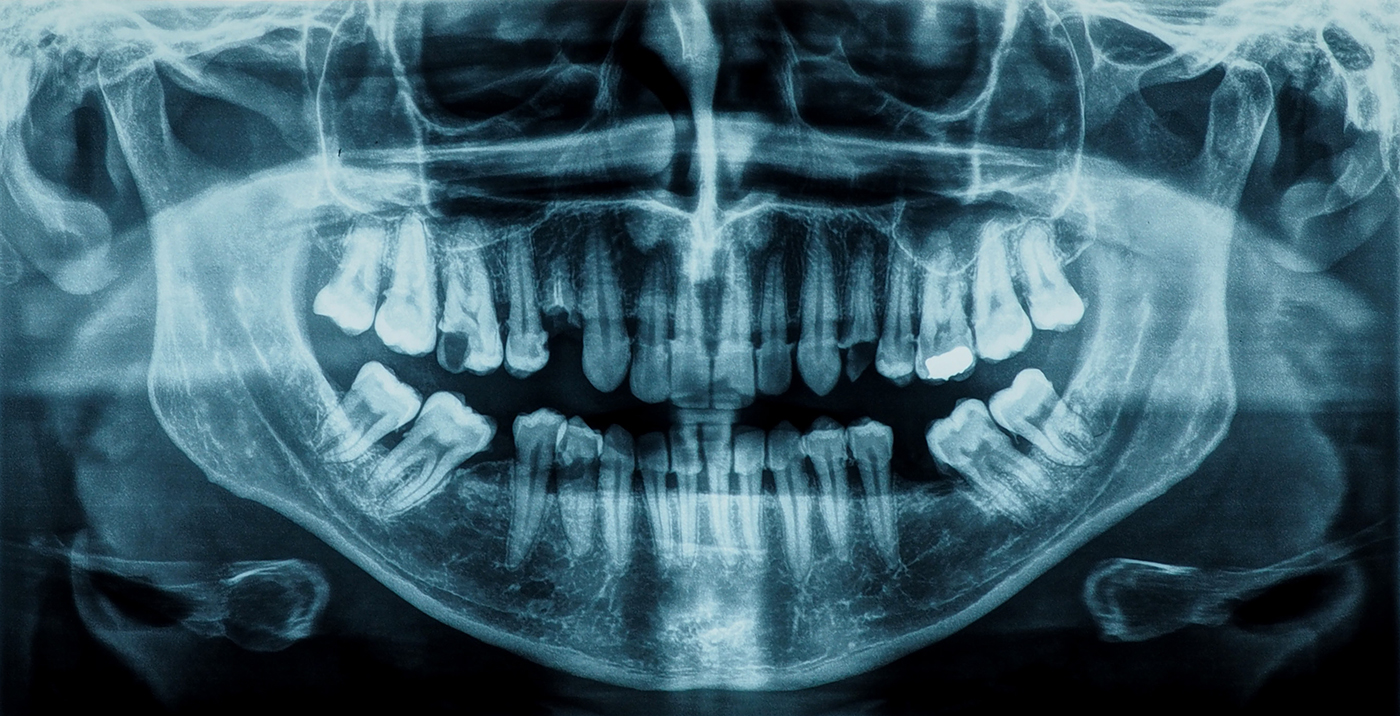
Example input
Panoramic X-rays cover the full mouth in one shot—great for screening, but early decay can be subtle. Our UI is built to surface those subtle cues faster.
Why HelloCavity
A focused wedge in an under-served area: panoramic caries + staging + workflow fit.
Panoramic-first niche
Instead of trying to detect everything everywhere, we go deep on panoramics—where accuracy and consistency matter most for early spotting.
Workflow-friendly
Designed to reduce review friction: quick highlights, explainable outputs, and a dentist-in-control verification step.
SaaS deployment
Centralized updates and analytics support rollouts across multiple locations and teams—without heavy hardware or complex installs.
Positioning
Broad “general dental AI” vs. a focused panoramic-first cavity workflow designed for adoption and defensibility.
Roadmap
Keep the full details in the deck—this is the high-level path to validation and scale.
FAQ
More depth, still easy to scan. Click to expand.
Is this replacing dentists?
No. HelloCavity is designed as clinical decision support, not an autonomous diagnostician. The AI highlights regions that may contain early decay and provides structured cues (e.g., confidence and severity staging), but the dentist remains the final decision-maker. In practice, the tool helps reduce missed findings during busy workflows, improves consistency between clinicians, and makes patient explanations easier—without changing who is responsible for diagnosis and care.
Our approach is “assistive-first”: surface subtle signals quickly, let the clinician verify, and keep documentation clear. This is typically how AI earns trust in clinics—by improving speed and consistency while keeping clinical judgment in control.
Why panoramics first (instead of bitewings)?
Panoramic radiographs are commonly used for new-patient exams, broad screening, and treatment planning, but they’re harder to interpret consistently for early caries. That creates a clear gap: a single image covering the full mouth, yet subtle early decay can be overlooked.
For a startup, a panoramic-first approach is also a strategic wedge: it’s a specific, under-served diagnostic surface where depth matters. We can own the niche, build defensible data and workflows, and then expand to adjacent modalities over time.
How does adoption work inside a clinic?
We design around minimal disruption. A clinic uploads or connects panoramic images, the AI returns highlights and structured outputs, and the dentist quickly verifies findings during their normal review. The goal is to add a “second set of eyes” that’s fast enough to use chairside.
For multi-location groups and DSOs, the platform can also support standardization: consistent review prompts, reporting structure, and roll-up analytics (e.g., usage trends and quality checks) to help scale best practices.
How do you think about safety, privacy, and compliance?
Patient data is sensitive, so we use a privacy-first approach. In practice, that means secure transport, restricted access, and careful handling of any identifiable information. For clinics, the intent is to support HIPAA-aligned workflows (and equivalents where applicable) as we move through validation and commercial partnerships.
On the clinical side, we position outputs as assistive and explainable: confidence indicators, visual overlays, and structured staging—so clinicians can validate results instead of trusting a black box.
What’s the business model and pricing logic?
The model is a per-clinic SaaS subscription with optional add-ons for integrations, multi-location analytics, and enterprise support. Pricing is aligned to ROI: improving detection consistency, increasing clarity in patient communication, and helping clinics close more appropriate treatment plans.
For DSOs, pricing can scale by location or image volume. For single practices, it remains simple: predictable monthly cost with clear value.
What’s your near-term roadmap (from here)?
Near-term is about pilots and validation: partnering with clinics to measure performance, workflow impact, and patient communication improvements. In parallel, we expand dataset diversity, tighten model performance, and prepare the evidence package needed for regulatory progress and enterprise partnerships.
After pilots, the scale path is land-and-expand: start with practices, move into DSOs and imaging networks, and build partnerships with education and imaging vendors for distribution.
Want a walkthrough + the latest deck?
Email the HelloCavity team to see the product flow, roadmap, pilot plans, and partnership options. We’ll reply with next steps and share the most up-to-date materials.